
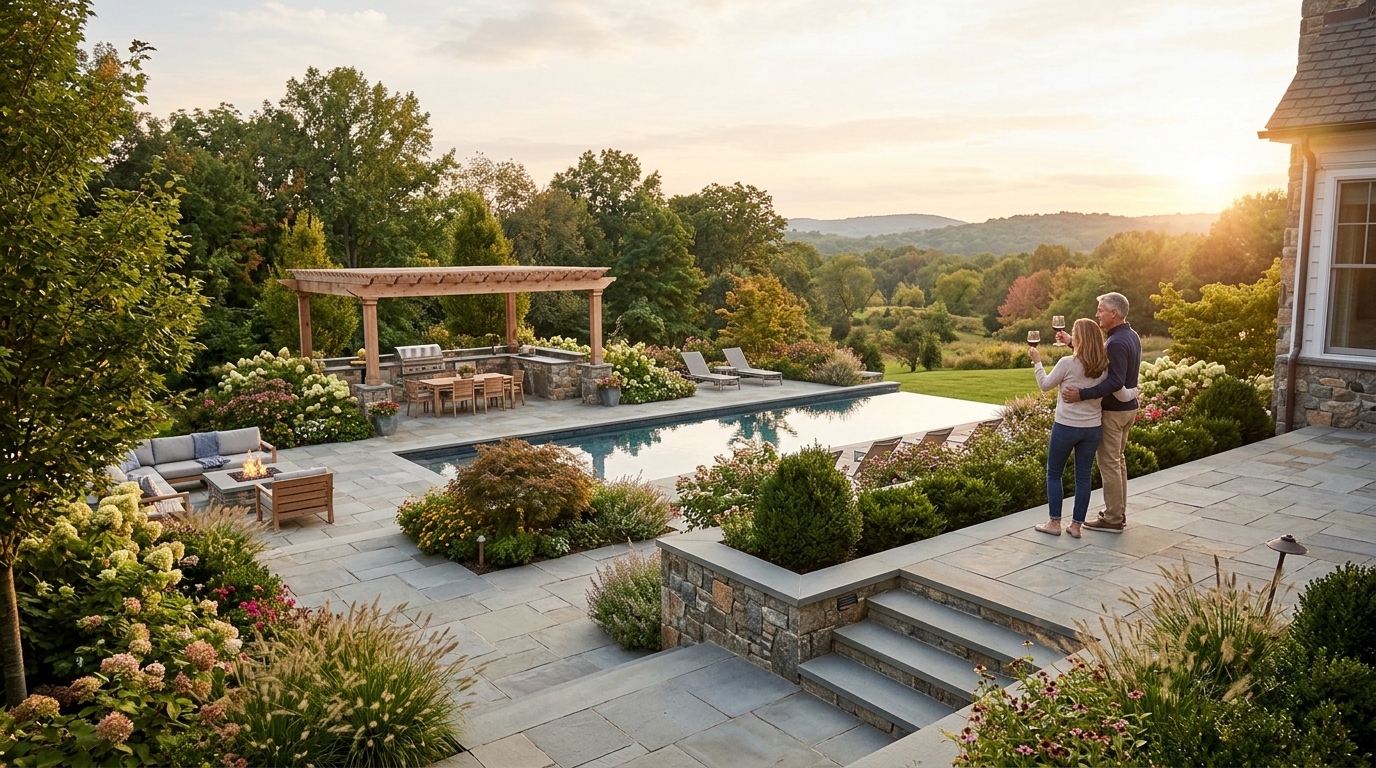
NJ Landscaping Costs Overview
Several factors influence the final price. Soil conditions, existing vegetation removal, and the need for heavy machinery all add to the budget. In Northern New Jersey, labor rates are higher than the national average due to the cost of living and specialized skill requirements. Homeowners should expect to allocate 10% to 15% of their home's value for a comprehensive landscape project to achieve a high-end result.
Scope of Work Impact
The scope of work determines the baseline cost. A project limited to planting and lawn care will be significantly cheaper than one involving structural changes. Large properties often require phased approaches to manage cash flow. This allows homeowners to prioritize high-impact areas like the front entrance or primary entertaining zones first.
Material Quality Tiers
Material selection is the single biggest variable in landscape pricing. Budget options use standard pavers and basic wood. Mid-range options feature natural stone and composite decking. Luxury tiers include custom masonry, imported stone, and high-end finishes. Choosing premium materials upfront often reduces long-term maintenance costs and increases property value.
Hardscape Features
Hardscape is the non-living structural elements of a landscape, including patios, walkways, and retaining walls. These features define the functional zones of your outdoor space. In large properties, hardscaping creates distinct areas for dining, lounging, and circulation. The cost of hardscaping depends on the material, complexity of the pattern, and site preparation required.
Custom masonry is a hallmark of luxury landscape design. It involves hand-laying stone or brick to create intricate patterns and structures. This craftsmanship requires skilled labor and precise planning. Retaining walls are particularly important on sloped properties, as they manage elevation changes and prevent erosion. A well-designed retaining wall can add significant value by creating usable flat space on a slope.
Patios and Walkways
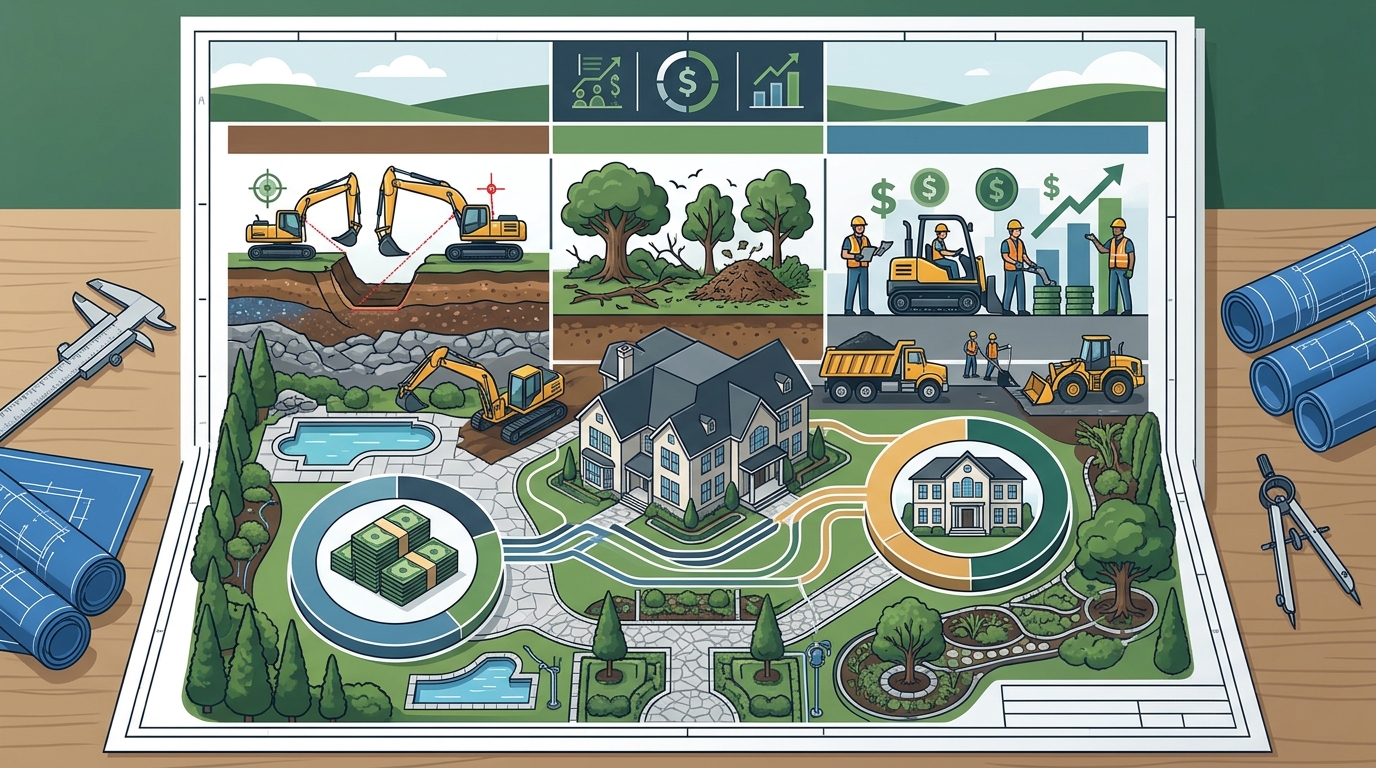
Patios are the primary gathering spaces for outdoor living. They range from simple concrete slabs to elaborate multi-level stone terraces. Walkways connect these spaces and guide movement through the property. The choice of material, such as bluestone, flagstone, or pavers, affects both the aesthetic and the budget. Wider walkways and custom borders increase the material and labor costs.
Retaining Walls and Structures
Retaining walls serve both aesthetic and engineering purposes. They hold back soil on slopes and create terraced levels. The height and length of the wall determine the structural requirements. Taller walls may need steel reinforcement and engineering approval. This adds to the cost but ensures safety and longevity. Custom masonry walls offer a seamless blend with the natural landscape.
Irrigation Systems
Irrigation is the automated system used to water lawns and gardens efficiently. A professional irrigation system is a critical investment for large properties. It ensures consistent moisture levels, which is essential for the health of turf and plantings. The cost of an irrigation system depends on the size of the area, the number of zones, and the type of controller used.
Smart irrigation controllers are becoming standard in high-end landscapes. These devices use weather data to adjust watering schedules automatically. This reduces water waste and lowers utility bills. For large properties, zoning is key. Different areas of the landscape have different water needs. Grouping plants with similar requirements into zones allows for precise watering. This prevents overwatering in some areas and underwatering in others.
System Components
Smart Technology Integration
Modern irrigation systems integrate with smart home technology. This allows homeowners to control watering from their phones or voice assistants. Smart controllers can detect soil moisture levels and adjust watering accordingly. This level of automation provides peace of mind and ensures the landscape stays healthy even when the homeowner is away. The initial cost of smart technology is offset by long-term water savings and reduced maintenance.
Grading and Drainage
Grading is the process of shaping the land to direct water flow away from structures. Proper grading is essential for preventing water damage to foundations and basements. Drainage is the system of channels and pipes that moves excess water off the property. In large properties, grading and drainage are often the most complex and costly aspects of the project. They require careful planning and engineering to ensure long-term performance.
French drains are a common solution for managing water in low-lying areas. They consist of a perforated pipe surrounded by gravel. This allows water to flow into the pipe and be directed to a safe discharge point. Dry wells are another option for areas where water cannot be discharged to a street or storm drain. They allow water to percolate into the soil gradually. The cost of grading and drainage depends on the volume of earth moved and the complexity of the drainage network.
Earthwork and Excavation
Earthwork involves moving large volumes of soil to reshape the landscape. This is often necessary to create flat areas for patios or to improve drainage. Excavation is the process of digging out soil to create basements, pools, or drainage channels. The cost of earthwork is based on the number of cubic yards of soil moved and the distance it must be hauled. Heavy machinery is required for large-scale earthwork, which adds to the equipment costs.
Drainage Solutions
Outdoor Living Structures
Decks are the most common outdoor living structure. They provide a raised platform for dining and lounging. The choice of material, such as wood, composite, or stone, affects the cost and maintenance requirements. Pergolas provide partial shade and architectural interest. They can be attached to a deck or stand alone. Cabanas and pool houses offer enclosed spaces for changing, storage, and relaxation. These structures require a foundation and roofing, which increases the cost.
Decks and Pergolas
Custom decks are designed to fit the specific contours of the property. They can be multi-level to accommodate changes in elevation. Pergolas add a sense of enclosure and elegance to outdoor spaces. They can be built from wood, metal, or composite materials. The design of the pergola, including the spacing of the beams and the type of roof, affects the amount of shade provided. A professional designer will help you choose the right combination of deck and pergola to meet your needs.
Outdoor Kitchens and Cabanas
Outdoor kitchens are a luxury feature that allows for year-round cooking and entertaining. They typically include a grill, refrigerator, sink, and storage. The cost of an outdoor kitchen depends on the appliances and finishes chosen. High-end kitchens can include pizza ovens, fireplaces, and wine coolers. Cabanas provide a private space for relaxation and storage. They can be designed to match the architectural style of the home. Both outdoor kitchens and cabanas require careful planning to ensure they are functional and aesthetically pleasing.
Hardscape Features Pricing
Hardscape pricing is determined by the material, labor, and site conditions. The following table provides a general guide to the cost of common hardscape features in New Jersey. These prices are estimates and can vary based on the specific project. A professional landscape designer will provide a detailed quote based on the site visit and design plans.
| Feature | Cost per Square Foot | Notes | Retaining Wall | $50 - $100 | Depends on height and material | Walkway | $15 - $30 | Width and material affect cost | Fire Pit | $2,000 - $5,000 | Custom masonry or precast |
|---|
Material selection is the primary driver of hardscape cost. Natural stone like bluestone and flagstone is more expensive than concrete pavers. However, it offers a timeless aesthetic and greater durability. Labor costs are also significant. Skilled masons charge a premium for their expertise. The complexity of the design, such as curved edges or intricate patterns, increases the labor time and cost. Site preparation, including excavation and base material, also contributes to the total price.
Hidden Costs to Consider
There are several hidden costs associated with hardscaping that homeowners often overlook. Permits may be required for retaining walls or structures that exceed a certain height. Engineering fees may be necessary for complex structures. Delivery and installation of materials can be costly, especially for large or heavy items. It is important to get a detailed quote that includes all these potential costs. A reputable landscape company will be transparent about all fees and charges.
Maintenance Costs
Maintenance is the ongoing care required to keep a landscape healthy and beautiful. It includes lawn care, plant pruning, irrigation management, and hardscape cleaning. The cost of maintenance depends on the size of the property and the complexity of the landscape. A large property with extensive plantings and hardscaping will require more maintenance than a simple lawn. Homeowners should budget for 10% to 15% of the initial landscape cost annually for maintenance.
Professional maintenance services offer convenience and expertise. They have the knowledge and equipment to care for the landscape properly. This includes seasonal cleanups, fertilization, and pest control. Regular maintenance prevents small problems from becoming major issues. For example, regular irrigation checks can prevent dry spots and plant death. Professional maintenance also ensures that the landscape continues to look its best throughout the year.
Seasonal Care Requirements
Landscapes require different care in each season. Spring is the time for cleanup, fertilization, and planting. Summer focuses on mowing, watering, and weed control. Fall is the time for leaf removal, aeration, and overseeding. Winter involves protecting plants from cold and snow. A professional maintenance plan will address the specific needs of each season. This ensures that the landscape is prepared for the challenges of the coming months.
Long-Term Value
Investing in professional maintenance protects the value of your landscape. A well-maintained landscape increases curb appeal and property value. It also provides a pleasant environment for living and entertaining. The cost of maintenance is a small fraction of the total value of the landscape. Neglecting maintenance can lead to costly repairs and replacements. For example, a neglected irrigation system can cause significant water damage. Regular maintenance is an investment in the long-term health and beauty of your property.
Key Takeaways
- Hardscaping is a major cost driver, with custom masonry being the most expensive.
- Smart irrigation systems reduce water waste and lower long-term utility costs.
- Proper grading and drainage are essential for preventing water damage.
- Outdoor living structures like decks and kitchens add significant value and functionality.
- Budget 10% to 15% of the initial cost annually for professional maintenance.
- Material quality and labor complexity are the primary factors in hardscape pricing.
- Phased projects can help manage cash flow for large-scale landscape transformations.
Frequently Asked Questions
How much does it cost to landscape a 1-acre property in NJ?
What is the most expensive part of a landscape project?
Hardscaping, particularly custom masonry and retaining walls, is often the most expensive part of a landscape project. These features require skilled labor and premium materials. Pools and outdoor kitchens are also high-cost items. The complexity of the design and the site conditions also influence the cost.
How much does an irrigation system cost for a large property?
Do I need a permit for a retaining wall in NJ?
Yes, you may need a permit for a retaining wall in New Jersey. The requirements depend on the height and location of the wall. Walls over a certain height, typically 4 feet, often require a permit and engineering approval. It is important to check with your local municipality for specific regulations.
How much should I budget for landscape maintenance?
You should budget for 10% to 15% of the initial landscape cost annually for maintenance. This includes lawn care, plant pruning, irrigation management, and hardscape cleaning. The exact cost depends on the size and complexity of the landscape. Professional maintenance services offer convenience and expertise.
What is the best time of year to landscape in NJ?
The best time of year to landscape in New Jersey is spring and fall. Spring is ideal for planting and lawn care. Fall is a good time for hardscaping and earthwork, as the ground is not frozen. Avoid major landscape projects in winter, as the cold weather and frozen ground make construction difficult.
How long does a large landscape project take?
A large landscape project can take anywhere from 4 weeks to 6 months. The duration depends on the scope of work, weather conditions, and the availability of materials and labor. Phased projects can extend the timeline but help manage cash flow. A professional landscape company will provide a detailed project schedule.
Can I do a landscape project in phases?
Yes, you can do a landscape project in phases. This is a common approach for large properties. It allows you to prioritize high-impact areas and manage your budget. For example, you might start with the front entrance and primary patio, then add the pool and outdoor kitchen in a later phase. Phased projects require careful planning to ensure that each phase is complete and functional.
Conclusion
Understanding the cost of landscaping a large property in New Jersey is essential for successful budgeting and planning. By breaking down the costs into hardscaping, irrigation, grading, and maintenance, you can make informed decisions about your project. Magaletta Design Environments offers expert guidance and high-quality craftsmanship for luxury landscape projects in Northern New Jersey. Our team of over 20 trained professionals has completed more than 1,000 projects, bringing client visions to life with precision and care. To start your landscape transformation, for a personalized consultation.