
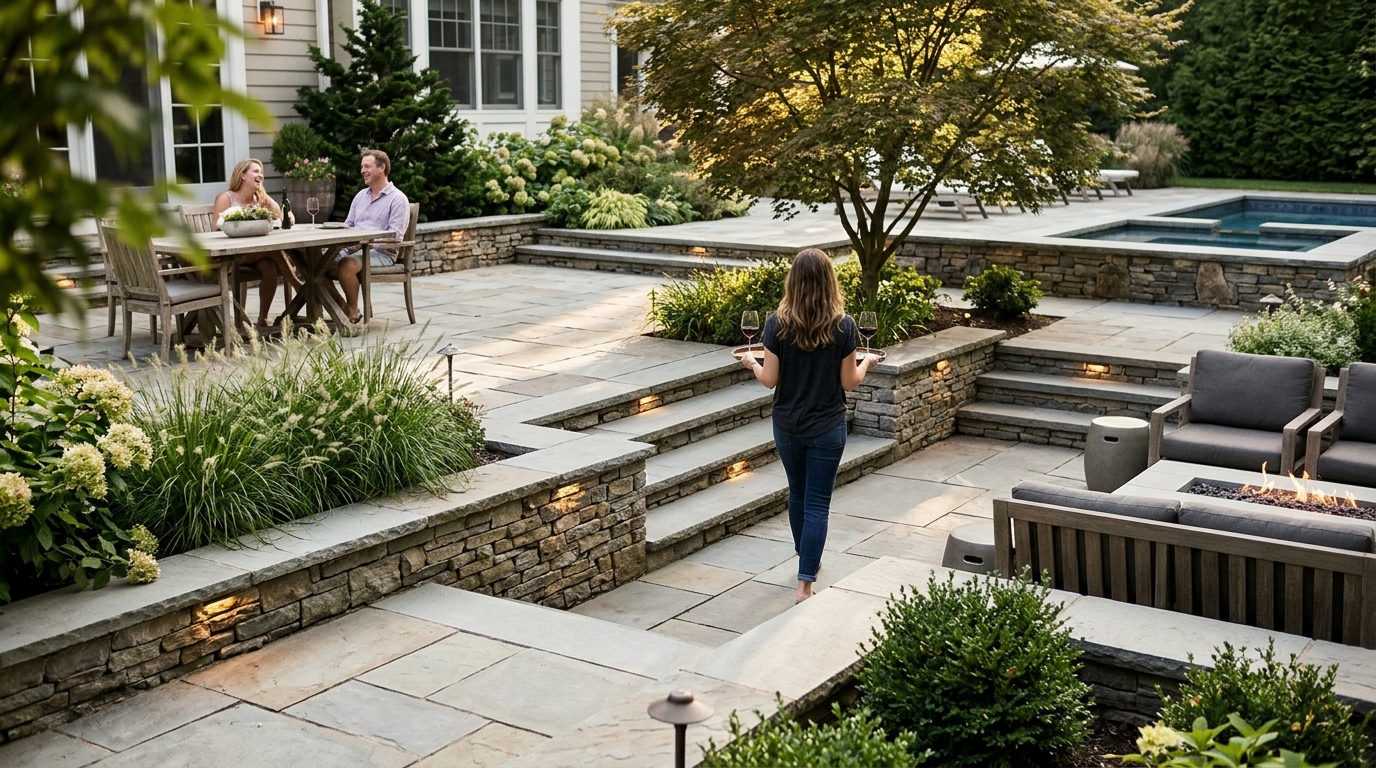
Hardscape elements are the non-living structural components of a landscape, such as patios, walls, and walkways. They define the physical boundaries of your outdoor space and dictate how you move through it. By strategically placing these features, you can maximize usable square footage and create distinct zones for dining, lounging, and play. This approach turns a flat, undefined yard into a functional extension of your home.
Defining Zones with Structural Boundaries
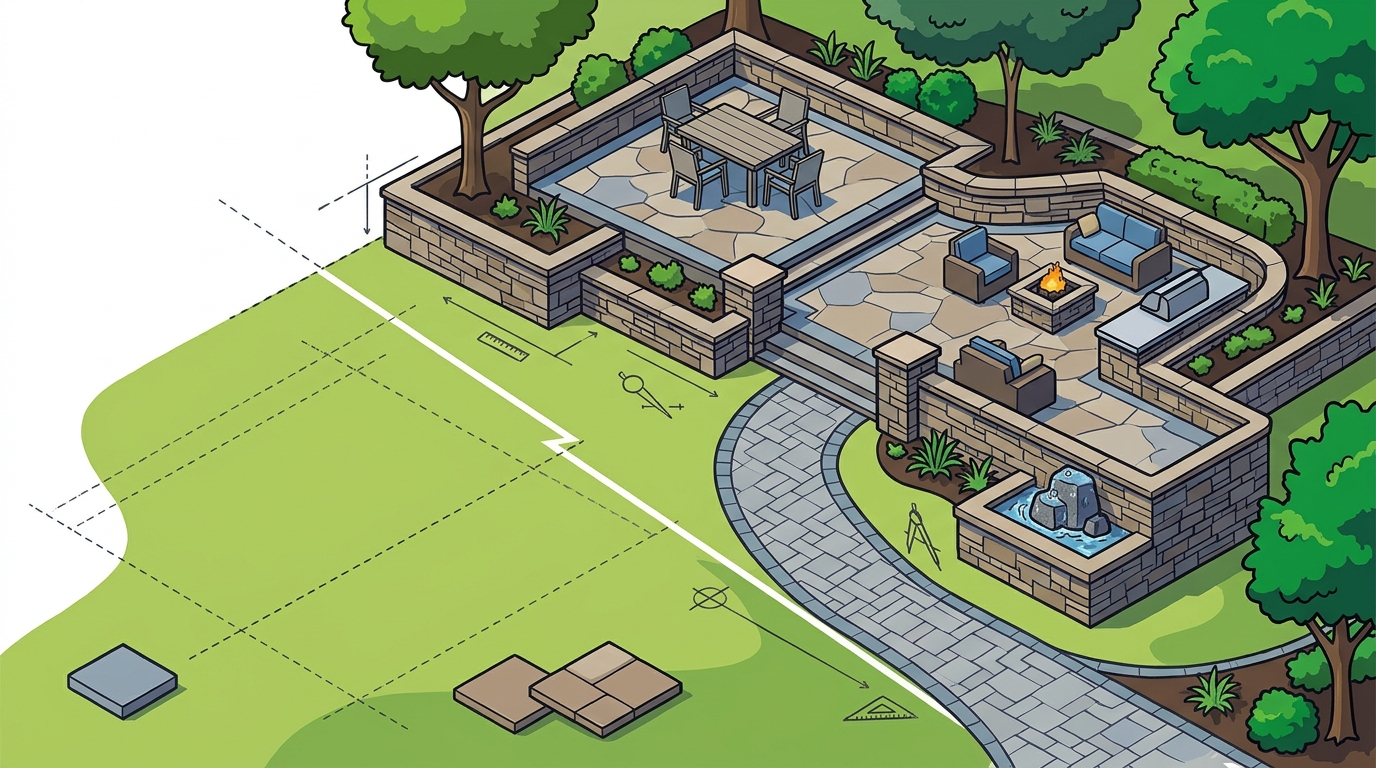
One of the primary functions of hardscaping is to create distinct areas within a single outdoor space. A patio or deck acts as an anchor for a dining or seating area, while a retaining wall can separate a garden bed from a lawn. This zoning allows for multiple activities to occur simultaneously without conflict. For example, a family can gather on a stone terrace while children play on the adjacent turf. The structure provides a sense of enclosure and privacy, making the space feel intimate rather than exposed.
Improving Circulation and Accessibility
Walkways and paths are essential for guiding movement through a landscape. They connect different zones and ensure safe, easy access to key features like a pool or outdoor kitchen. A well-designed path should be wide enough for comfortable passage and constructed from durable materials that withstand weather and foot traffic. In properties with uneven terrain, steps and ramps integrated into the hardscape design improve accessibility for all users. This attention to flow prevents the yard from feeling cluttered or confusing.
Managing Topography and Drainage
Hardscape elements play a critical role in managing the natural slope of a property. Retaining walls hold back soil on sloped yards, creating flat, usable areas where none existed before. They also help control water runoff by directing it away from foundations and preventing erosion. Proper drainage is a key consideration in any hardscape design. Permeable pavers and French drains can be incorporated to manage rainwater effectively. This not only protects the structural integrity of the landscape but also enhances its longevity.
Enhancing Aesthetic Appeal and Property Value
Beyond functionality, hardscapes significantly boost the visual appeal of a property. Custom masonry, such as stone walls and fire pits, adds texture and character to the outdoor space. The choice of materials, from natural stone to engineered pavers, can complement the architectural style of the home. A well-executed hardscape design creates a cohesive look that ties together all elements of the landscape. This aesthetic improvement can increase property value by making the outdoor area more attractive and usable. It signals to potential buyers that the property has been thoughtfully maintained and designed.
Integrating Hardscapes with Softscapes
Key Takeaways
- Hardscape elements define zones and improve circulation in a backyard.
- Retaining walls and paths manage topography and drainage effectively.
- Custom masonry enhances aesthetic appeal and can increase property value.
- Integrating hardscapes with plantings creates a balanced, natural look.
- Professional design ensures that hardscapes are functional and durable.
- Strategic placement of hardscapes maximizes usable outdoor space.
Frequently Asked Questions
What are the most common hardscape elements?
Common hardscape elements include patios, decks, walkways, retaining walls, and fire pits. These features provide structure and functionality to a landscape.
How do hardscapes affect property value?
Hardscapes can increase property value by improving curb appeal and creating usable outdoor living spaces. They signal quality and maintenance to potential buyers.
Can hardscapes help with drainage issues?
Yes, hardscapes like retaining walls and permeable pavers can manage water runoff and prevent erosion. Proper design is key to effective drainage.
What materials are best for hardscaping?
Popular materials include natural stone, engineered pavers, concrete, and wood. The best choice depends on your budget, aesthetic preferences, and local climate.
How long does a hardscape project take?
The duration of a hardscape project varies based on its size and complexity. Smaller projects may take a few weeks, while larger ones can take several months.
Conclusion
Hardscape elements are the backbone of a functional and beautiful backyard. They define spaces, manage terrain, and enhance the overall aesthetic of your property. By working with a professional design team, you can ensure that your hardscapes are both practical and visually stunning. Magaletta Design Environments offers expert hardscape and masonry services in Northern New Jersey, helping you create an outdoor space that reflects your lifestyle. Contact us today to start planning your dream backyard.