
NJ Landscaping Costs
Factors Influencing Large Property Pricing
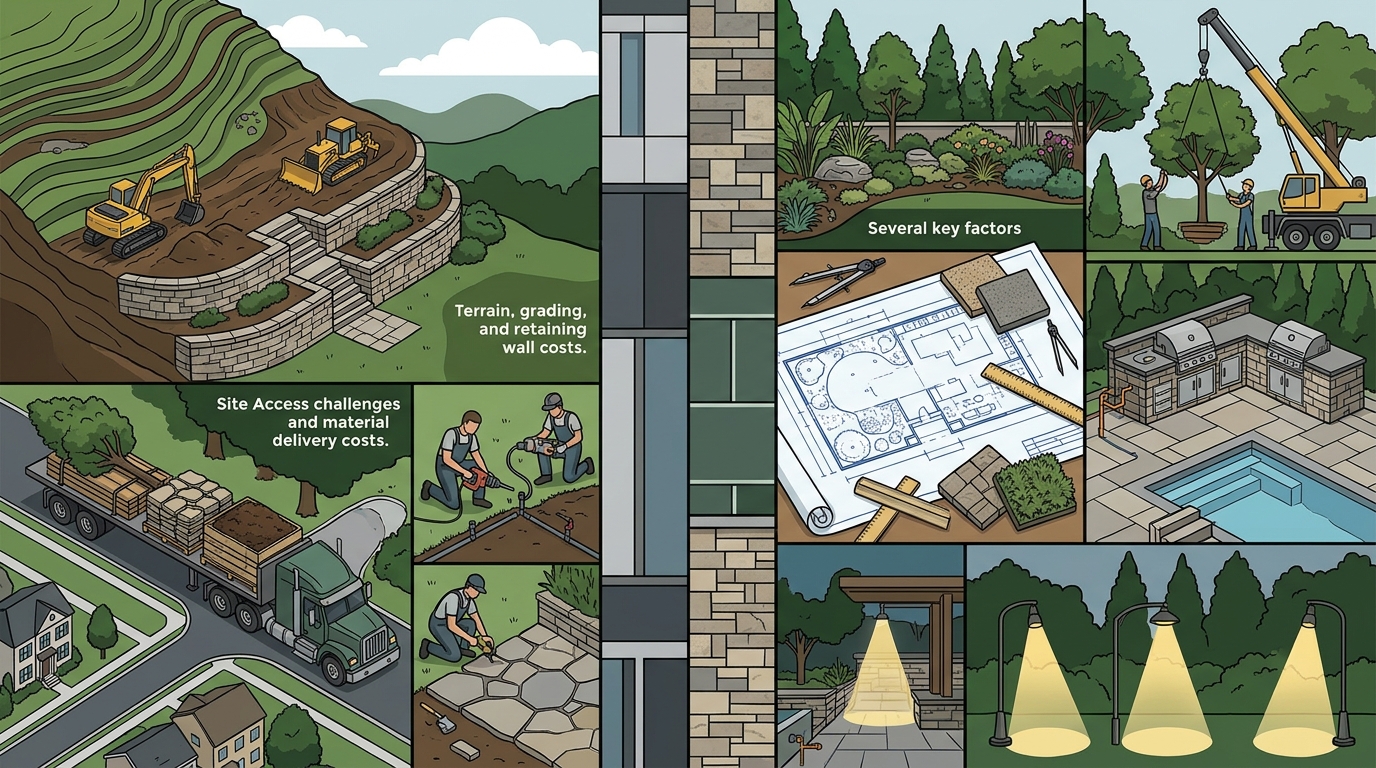
Several key factors drive the price of large-scale landscaping projects. Terrain is a major cost driver; sloped properties require extensive grading and retaining walls, which increase labor and material costs. Access to the site also matters. If heavy machinery cannot easily reach the work area, manual labor becomes necessary, raising the price. Additionally, the local market in New Jersey, particularly in affluent areas like Parsippany and Chatham, reflects a premium for high-end craftsmanship and premium materials.
Design and Consultation Fees
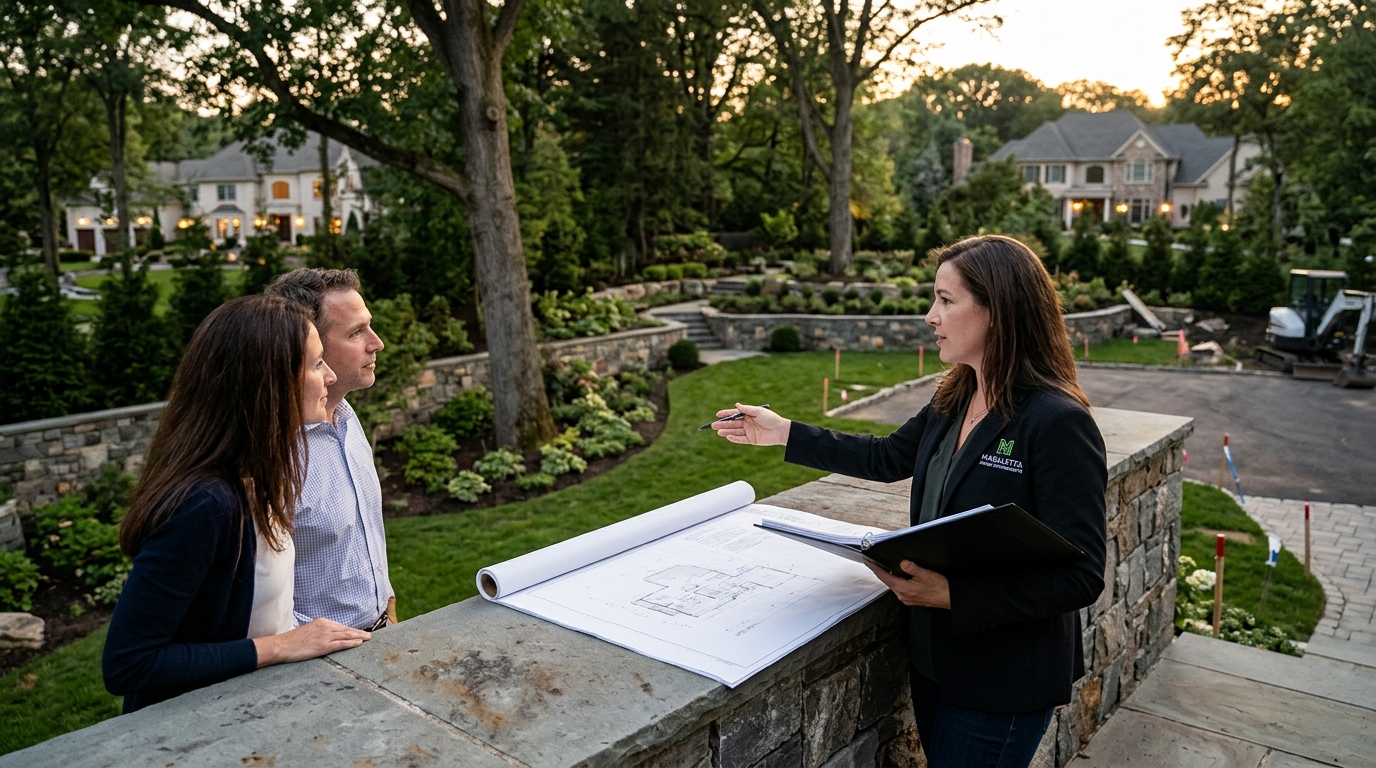
Professional design is an investment that prevents costly mistakes. Landscape design is the process of planning and creating outdoor environments that balance aesthetics with functionality. Many homeowners underestimate the value of a professional design phase. Firms like Magaletta Design Environments utilize 3D design software to visualize the final project, ensuring that every dollar is spent on features that align with the homeowner's vision. This pre-construction planning helps avoid change orders, which are a common source of budget overruns in large projects.
Hardscape Features
Hardscaping is one of the most significant cost components in luxury landscape design. Hardscaping is the construction of non-plant elements such as patios, walkways, retaining walls, and fire pits. These features define the functional zones of a large property and provide durable surfaces for outdoor living. The cost of hardscaping depends heavily on the materials chosen and the complexity of the installation.
Material Selection and Costs
Custom Masonry and Stonework
Custom masonry adds a level of sophistication that standard pavers cannot achieve. Custom masonry involves the skilled laying of stone for walls, steps, and features. This type of work requires specialized labor, which commands a higher hourly rate. However, the result is a timeless, high-value addition to the property. For large estates, custom stone walls can serve as both aesthetic focal points and functional boundaries, enhancing privacy and security.
Irrigation Systems
Smart Irrigation Technology
Modern irrigation systems often include smart controllers that adjust watering schedules based on weather data. This technology helps conserve water and reduces utility bills. For large properties, smart irrigation can save thousands of gallons of water per year. The initial investment in smart technology is often offset by long-term savings and improved plant health. Additionally, proper irrigation design ensures that water is delivered to the root zone of plants, reducing runoff and erosion.
Maintenance and Upkeep
Irrigation systems require regular maintenance to function properly. This includes seasonal start-up and winterization, as well as periodic inspections for leaks or clogged heads. Landscape maintenance services often include irrigation system checks, ensuring that the system operates efficiently throughout the growing season. Neglecting irrigation maintenance can lead to dry spots in the lawn and stress on ornamental plants, reducing the overall value of the landscape.
Grading and Drainage
Proper grading and drainage are the foundation of a successful landscape. Grading is the process of shaping the land to direct water away from structures and prevent erosion. For large properties, especially those with slopes, grading is a complex and costly process. It often involves moving large volumes of soil, which requires heavy equipment and skilled operators.
Drainage Solutions
Water management is a critical aspect of landscape design. French drains, dry wells, and catch basins are common solutions for managing excess water. The cost of drainage solutions varies based on the volume of water that needs to be managed and the distance the water must be moved. In areas with poor soil drainage, such as clay-heavy soils common in parts of New Jersey, additional measures may be necessary. These can include soil amendment or the installation of subsurface drainage systems.
Impact on Hardscaping
Grading and drainage directly impact the placement and design of hardscape features. Retaining walls are often used to manage changes in elevation, but they must be designed to handle the pressure of the soil and water behind them. Proper drainage behind retaining walls is essential to prevent structural failure. Working with experienced professionals ensures that grading and drainage are integrated seamlessly into the overall design, protecting both the landscape and the home.
Outdoor Living Structures
Decks and Pergolas
Decks provide a raised platform for outdoor living, while pergolas offer shade and architectural interest. Deck and pergola construction requires careful planning to ensure structural integrity and aesthetic harmony with the home. Automated pergolas, which can be opened and closed with the touch of a button, are a popular luxury feature. These structures offer flexibility, allowing homeowners to adjust the amount of shade or protection from rain as needed.
Outdoor Kitchens and Kitchens
Key Takeaways
- Grading and drainage are critical for managing water and preventing erosion, especially on sloped properties.
- Outdoor living structures, such as decks and kitchens, can cost tens of thousands of dollars.
- Professional design and 3D visualization help prevent budget overruns and ensure a cohesive final result.
- Long-term maintenance is a significant ongoing cost that should be factored into the initial budget.
- Working with experienced professionals ensures that all elements of the landscape work together harmoniously.
Frequently Asked Questions
How much does it cost to landscape a 1-acre property in NJ?
What is the most expensive part of landscape design?
The most expensive parts of landscape design are typically hardscaping and outdoor living structures. Custom masonry, large patios, and outdoor kitchens require significant labor and materials, driving up the overall cost. Grading and drainage can also be costly, especially on sloped properties.
How long does a large landscape project take?
A large landscape project can take anywhere from 3 to 12 months, depending on the scope and complexity. Design and planning may take 1 to 3 months, while construction can take several months. Weather conditions and material availability can also impact the timeline.
Do I need a permit for landscape work in NJ?
Permit requirements vary by municipality. Some areas require permits for retaining walls, drainage systems, or structures that exceed a certain height. It is important to check with your local building department to determine the specific requirements for your property.
How can I reduce the cost of landscaping a large property?
You can reduce costs by phasing the project, choosing cost-effective materials, and prioritizing high-impact features. Working with a professional designer can also help optimize the budget by identifying areas where costs can be saved without sacrificing quality.
What is the difference between hardscaping and softscaping?
Hardscaping refers to non-plant elements such as patios, walkways, and walls, while softscaping refers to plant elements such as lawns, trees, and shrubs. Both are essential components of a complete landscape design, and they should be planned together to ensure a cohesive result.
Conclusion
Investing in professional landscape design for a large property in New Jersey is a significant financial commitment, but the return on investment is substantial. A well-designed outdoor space enhances the beauty, functionality, and value of your home. By understanding the costs associated with hardscaping, irrigation, grading, and outdoor living structures, you can make informed decisions that align with your budget and vision. Contact Magaletta Design Environments to discuss your project and explore how our expertise can bring your outdoor living dreams to life.