
Do 35 Years of Experience and 1000 Projects Influence Luxury Landscape Design in Parsippany NJ?
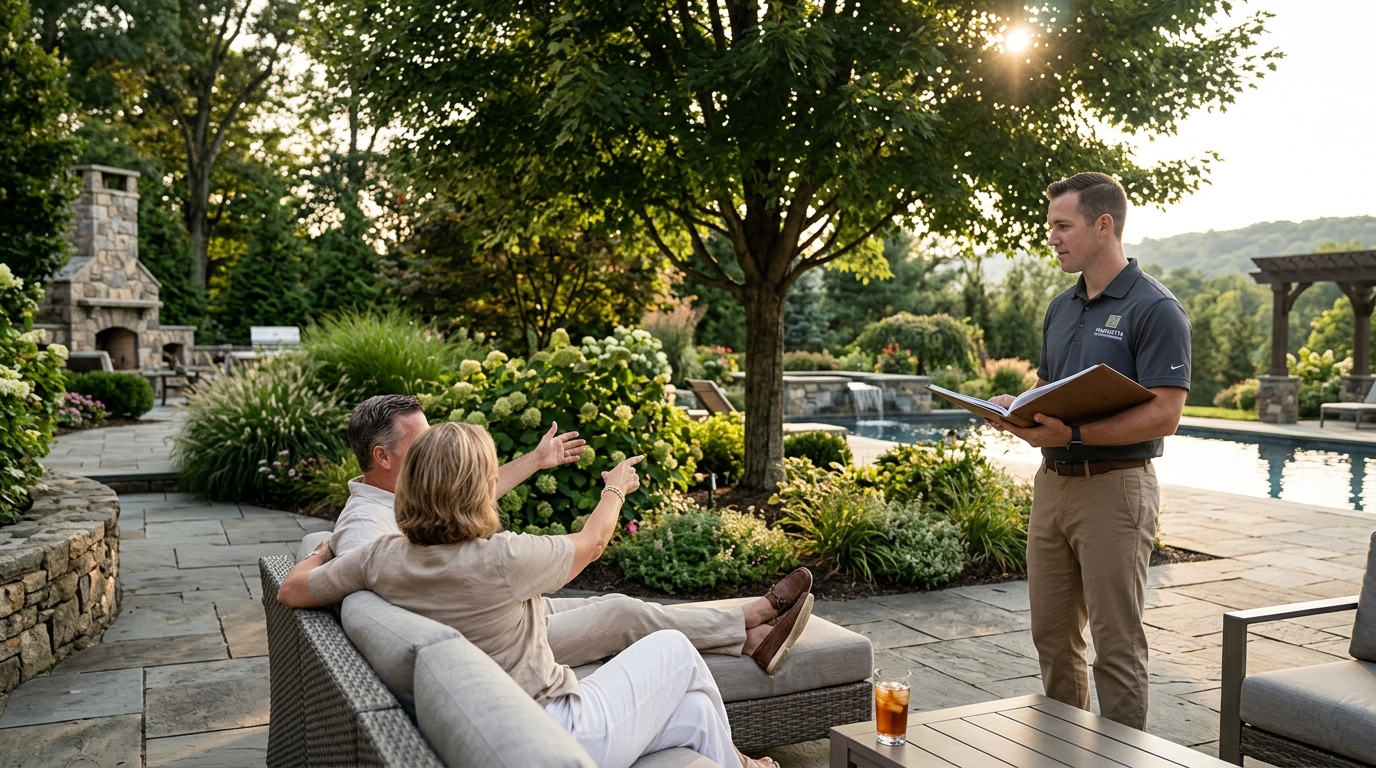
Yes, 35 years of experience and over 1,000 completed projects significantly influence luxury landscape design in Parsippany, NJ. This depth of expertise ensures superior design precision, structural integrity, and aesthetic harmony. It allows firms to anticipate local challenges and deliver bespoke outdoor environments. This guide explores how seasoned professionals leverage their track record to create exceptional outdoor living spaces.
Design Expertise
Design expertise is the ability to translate a client's vision into a functional and aesthetically pleasing outdoor environment. In luxury landscape design, this goes beyond planting flowers. It involves understanding spatial relationships, sight lines, and the flow of movement. A firm with decades of experience understands how to balance hardscape elements with softscape features. They know how to create distinct zones for dining, lounging, and entertaining. This holistic approach ensures that every inch of the property serves a purpose. For additional details, review the .
Seasoned designers bring a refined eye for detail. They understand the importance of scale and proportion. A large stone wall might overwhelm a small patio, while a delicate planter might get lost in a vast lawn. Experienced professionals adjust these elements to create harmony. They also consider the architectural style of the home. The outdoor space should complement the indoor living areas, creating a seamless transition. This level of nuance is difficult to achieve without years of practice and study.
The Role of Aesthetic Judgment
Experience Credibility
Experience credibility is the trust that clients place in a designer based on their proven track record. When a firm has been operating for 35 years, it signals stability and reliability. Clients feel confident knowing that the company has weathered economic cycles and industry changes. This longevity suggests that the firm has satisfied enough customers to sustain its business. It also implies a deep understanding of the local market. The firm knows the best suppliers, contractors, and materials for the region. For additional details, review the Customer Experience.
Credibility also comes from the number of projects completed. Over 1,000 projects provide a vast database of solutions. Designers have encountered almost every type of site condition and client request. They know how to handle difficult slopes, poor soil, or tight budgets. This problem-solving ability is a direct result of experience. Clients benefit from this knowledge because they avoid common pitfalls. The designer can anticipate issues before they arise, saving time and money. For additional details, review the Frequently Asked Questions.
Building Trust Through Consistency
Consistency is a key driver of credibility. A firm that delivers high-quality results repeatedly builds a strong reputation. This reputation is often passed down through word of mouth. In a community like Parsippany, where neighbors know each other, reputation is everything. A firm with a long history has had ample time to build these relationships. Clients are more likely to hire a firm that their neighbors have recommended. This social proof reinforces the firm's credibility and attracts new business.
Project Portfolio Quality
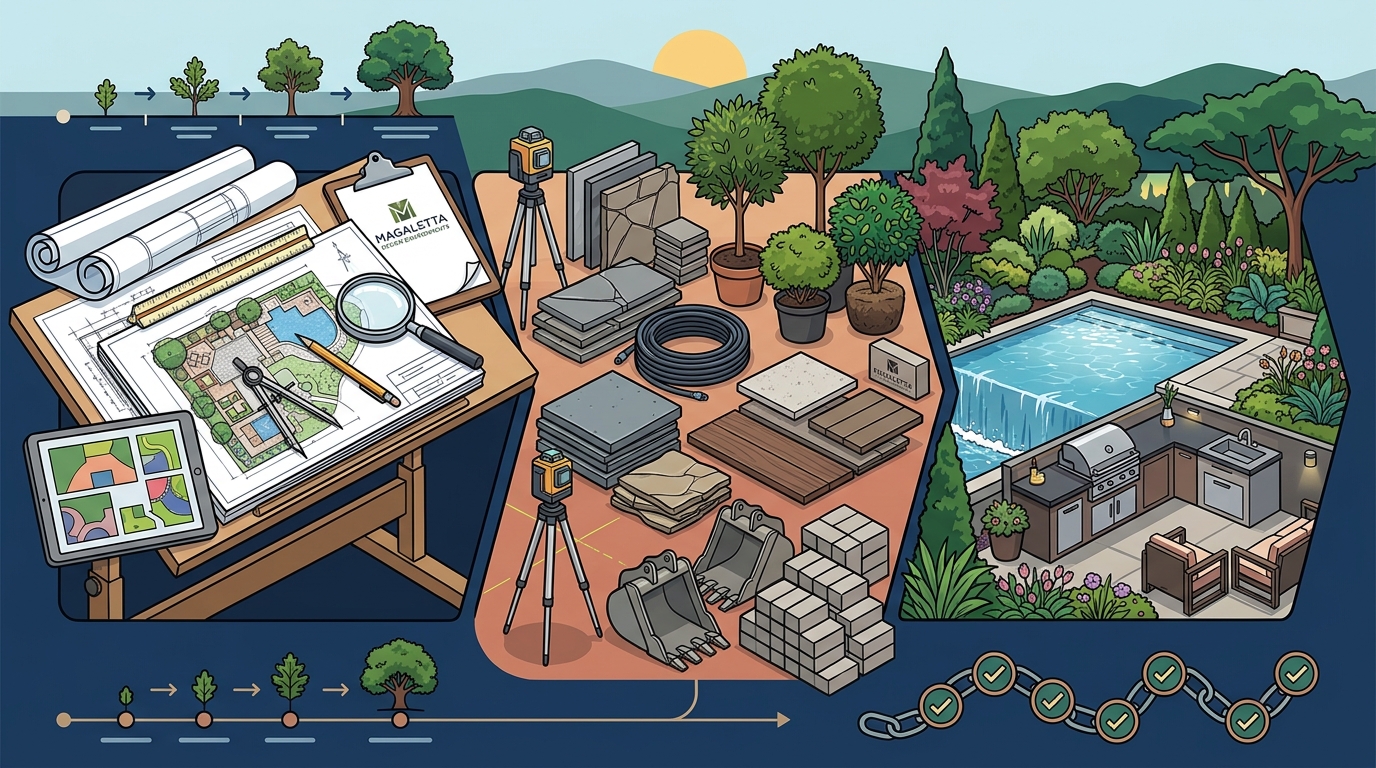
Project portfolio quality is the standard of excellence demonstrated in a firm's past work. A portfolio of over 1,000 projects allows for a diverse range of styles and scales. Clients can see how the firm handles different types of properties. They can view examples of small urban yards and large suburban estates. This variety demonstrates the firm's versatility. It shows that they are not limited to one style or approach. Clients can find inspiration in the portfolio and see what is possible for their own property.
High-quality portfolios also showcase attention to detail. They highlight the craftsmanship of the hardscape elements. They show the maturity of the plantings and the integration of lighting. A well-curated portfolio tells a story of the firm's evolution. It shows how their skills have improved over the years. Clients can see the progression from early projects to recent masterpieces. This transparency builds confidence in the firm's ability to deliver top-tier results.
Case Studies and Transformations
Case studies are a powerful tool for demonstrating portfolio quality. They provide a before-and-after view of the transformation. They explain the challenges faced and the solutions implemented. This narrative approach helps clients understand the design process. It shows the value of professional expertise. A case study might detail how a neglected backyard was turned into a luxurious outdoor living room. It would highlight the specific materials used and the design choices made. This level of detail reassures clients that their project will receive the same level of care.
Local Climate Expertise
Local climate expertise is the knowledge of how weather patterns affect landscape design and maintenance. Parsippany, NJ, experiences four distinct seasons. This means that the landscape must be designed to withstand winter cold, spring rain, summer heat, and fall winds. Experienced designers know which plants thrive in this climate. They understand the hardiness zones and soil conditions. They select plants that will provide year-round interest. They also design drainage systems to handle heavy rainfall. This climate-specific knowledge is crucial for the longevity of the landscape.
Climate expertise also influences hardscape design. Materials must be chosen to withstand freeze-thaw cycles. Concrete and stone must be properly sealed and installed to prevent cracking. Experienced designers know the best practices for this. They use materials that are durable and low-maintenance. They also consider the impact of snow and ice on the landscape. They design pathways and patios that are safe and accessible in winter. This attention to detail ensures that the outdoor space is usable throughout the year.
Seasonal Planting Strategies
Seasonal planting strategies are a key aspect of local climate expertise. Designers plan for color and texture in every season. They use a mix of evergreens, deciduous trees, and perennials. This ensures that the landscape is never bare. They also consider the blooming times of different plants. They create a succession of blooms from spring to fall. This continuous display of color is a hallmark of luxury landscape design. It shows that the designer has a deep understanding of plant behavior in the local climate.
Hardscaping Design
Hardscaping design is the creation of non-plant elements in the landscape. This includes patios, walkways, retaining walls, and outdoor kitchens. Hardscape elements provide structure and functionality to the outdoor space. They define areas for different activities. They also add visual interest and texture. Experienced designers are skilled in hardscaping. They understand the structural requirements of walls and steps. They know how to create level surfaces on sloped sites. They also have a keen eye for material selection and installation.
Quality hardscaping is a major investment. It requires precision and craftsmanship. A poorly installed patio can settle and crack. A retaining wall that is not properly engineered can fail. Experienced designers avoid these problems. They use high-quality materials and follow best practices. They also consider the aesthetic impact of the hardscape. They choose materials that complement the home and the surrounding landscape. The result is a durable and beautiful outdoor space that enhances the property's value.
Material Selection and Durability
Material selection is a critical part of hardscaping design. Different materials have different properties. Natural stone is durable and beautiful but can be expensive. Pavers are versatile and easy to repair. Concrete is affordable but can be less aesthetically pleasing. Experienced designers help clients choose the right material for their budget and style. They also consider the maintenance requirements of each material. They explain the pros and cons of each option. This guidance helps clients make informed decisions that will satisfy them in the long run.
Design Software
Design software is the digital tool used to create and visualize landscape plans. Modern design software allows designers to create 3D renderings of the proposed landscape. These renderings give clients a realistic preview of the final result. They can see how the hardscape elements will look and how the plants will grow. This visualization is a powerful communication tool. It helps clients understand the design and make changes before construction begins. It reduces the risk of misunderstandings and ensures client satisfaction.
Experienced designers are proficient in using design software. They use it to create accurate and detailed plans. They can simulate different lighting conditions and seasons. They can also use the software to calculate material quantities and costs. This efficiency saves time and reduces errors. The software also allows for easy revisions. If a client wants to change the layout, the designer can quickly update the plan. This flexibility is a major advantage of using modern design tools.
The Value of 3D Visualization
3D visualization is a key feature of modern design software. It allows clients to see the landscape from different angles. They can walk through the virtual space and experience the design. This immersive experience helps clients connect with the plan. It makes the design feel real and tangible. It also helps clients identify potential issues. They might realize that a certain view is blocked or that a pathway is too narrow. This feedback is invaluable for refining the design. The result is a landscape that perfectly meets the client's needs and expectations.
Key Takeaways
- 35 years of experience ensures a deep understanding of design principles and local conditions.
- Over 1,000 completed projects provide a vast database of solutions and proven techniques.
- Experience credibility builds trust and confidence in the design process.
- Local climate expertise ensures that the landscape is durable and low-maintenance.
- Quality hardscaping adds structure, functionality, and value to the property.
- Modern design software allows for accurate visualization and efficient planning.
- A diverse portfolio demonstrates versatility and attention to detail.
- Seasoned designers anticipate problems and provide innovative solutions.
Frequently Asked Questions
How does experience affect the quality of landscape design?
Experience allows designers to anticipate problems and make better decisions. It leads to more refined aesthetics and durable structures. Clients benefit from the designer's accumulated knowledge and problem-solving skills.
Why is local climate expertise important?
Local climate expertise ensures that plants and materials are suitable for the region. It helps create a landscape that is durable, low-maintenance, and beautiful year-round. It also ensures that drainage and structural elements can withstand local weather conditions.
What is the role of design software in the process?
Design software allows for 3D visualization and accurate planning. It helps clients see the final result before construction begins. It also allows for easy revisions and efficient communication between the designer and the client.
How many projects does it take to gain expertise?
There is no specific number, but over 1,000 projects provide a significant amount of experience. This volume allows designers to encounter a wide range of challenges and develop a deep understanding of the craft.
Does a long history of business guarantee quality?
A long history suggests stability and reliability, but it does not guarantee quality. Clients should also review the portfolio and check references. However, a firm that has been in business for 35 years has likely maintained high standards to retain its reputation.
What are the benefits of hardscaping in a luxury landscape?
Hardscaping adds structure, functionality, and visual interest to the landscape. It defines areas for different activities and enhances the property's value. It also provides a durable and low-maintenance surface for outdoor living.