Comprehensive Landscape Design vs. Outdoor Living Planning: Which Approach Suits Your Home?
Comprehensive landscape design is the superior approach for most residential properties because it integrates structural hardscaping, botanical planning, and functional outdoor living zones into a single cohesive vision. This guide compares the two methodologies to help homeowners in Northern New Jersey determine which strategy best aligns with their property goals. We will examine the distinct phases of property transformation, the specific benefits of outdoor living planning, and the holistic advantages of comprehensive landscape design. according to 19 Landscape Design
Property Transformation Phases
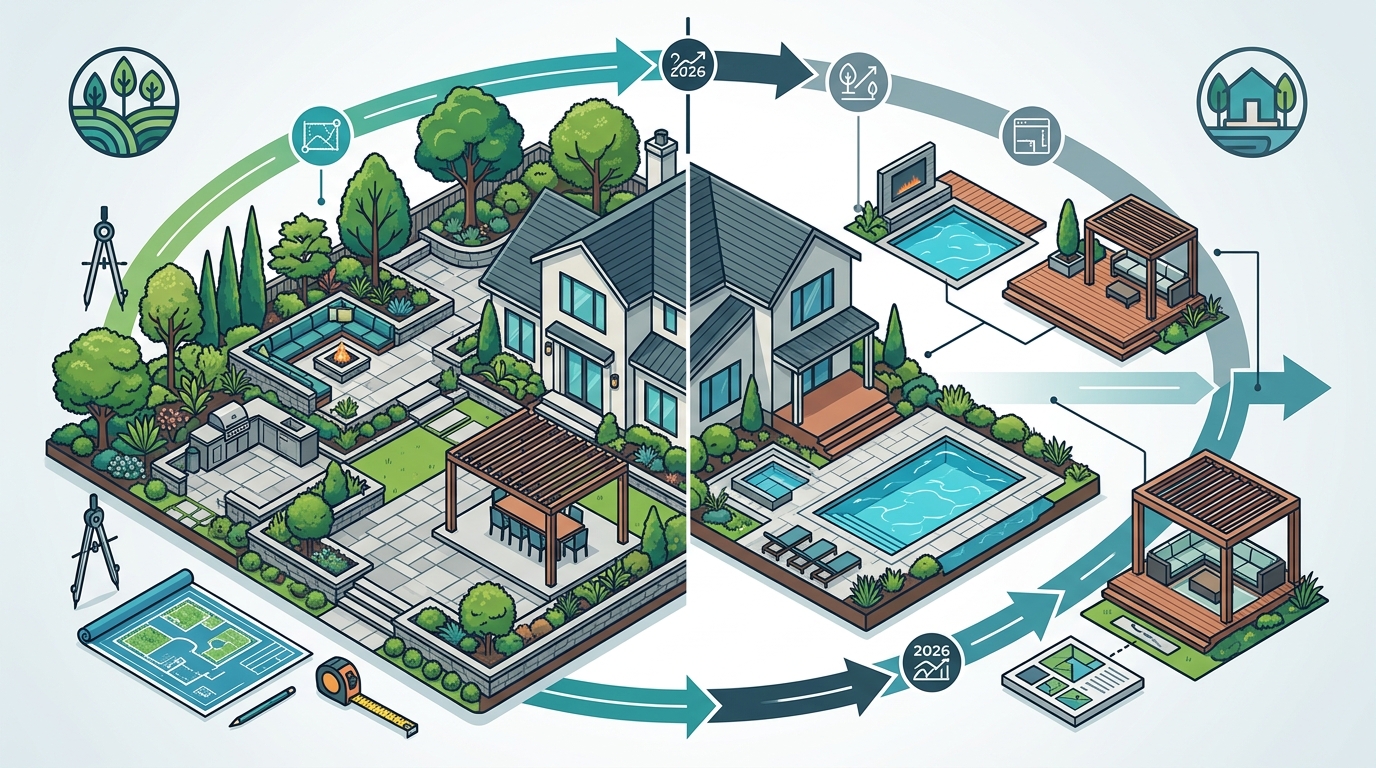
Understanding the lifecycle of a landscape project is essential for managing expectations and budgets. Most residential transformations follow a structured progression from initial assessment to final installation. This process ensures that every element, from drainage to lighting, functions in harmony. For additional details, review the .
Assessment and Site Analysis
The first phase involves a detailed evaluation of the existing property. Professionals analyze soil composition, sun exposure, topography, and existing vegetation. This data forms the foundation for all subsequent design decisions. A well-planned landscape project begins with a thorough understanding of the site's natural constraints and opportunities. For additional details, review the Customer Experience.
Design and Engineering
Once the site is analyzed, the design phase begins. This includes creating 3D renderings, selecting materials, and engineering structural elements like retaining walls or patios. At this stage, the client and designer collaborate to refine the aesthetic and functional goals. Precision in this phase prevents costly changes during construction. For additional details, review the Frequently Asked Questions.
Installation and Maintenance
The final phase is the physical transformation of the space. Skilled crews execute the plan, installing hardscape, planting beds, and irrigation systems. Post-installation maintenance is also planned to ensure the longevity of the investment. A complete transformation is not just about the build; it is about sustaining the beauty and function of the space over time.
Outdoor Living Planning
Defining Functional Zones
Integrating High-End Amenities
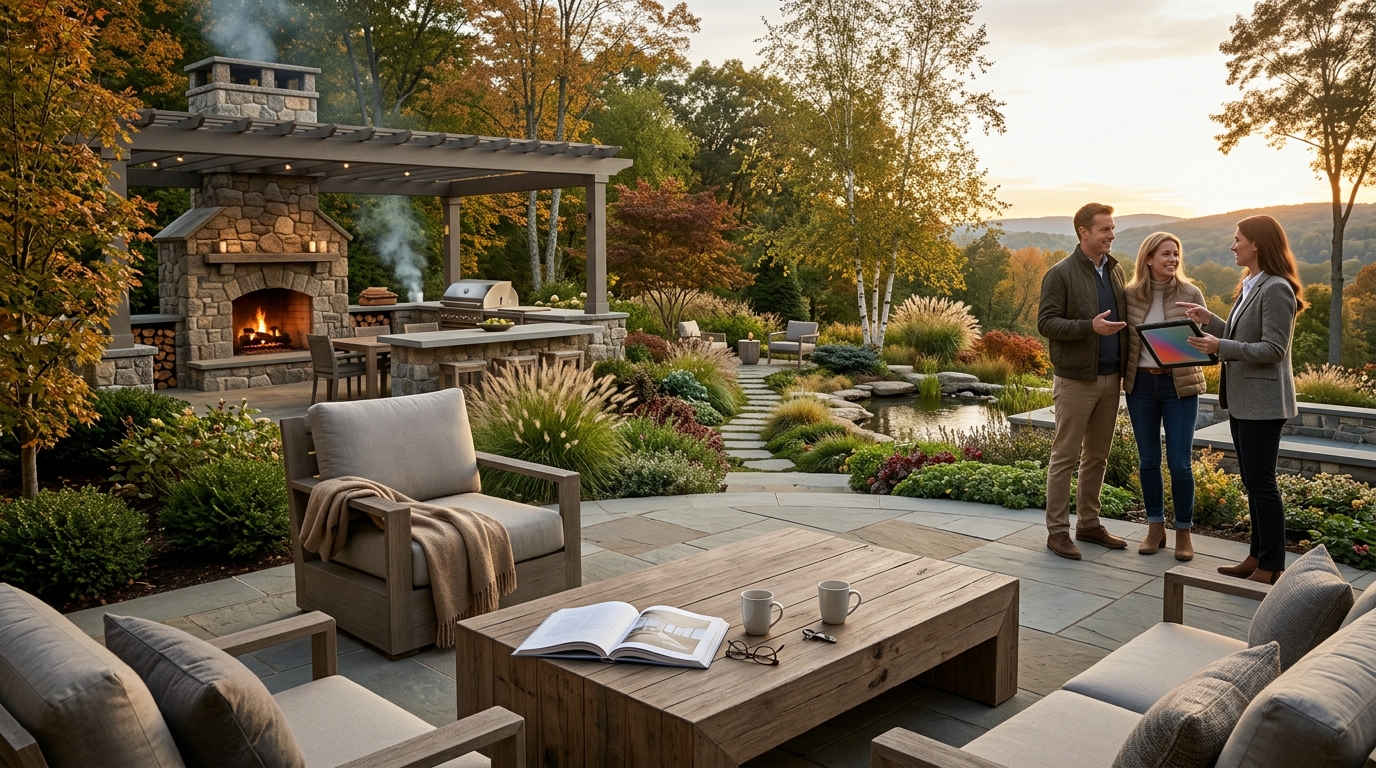
This approach often includes the installation of premium features like outdoor kitchens, fire pits, and custom seating. These elements are selected to enhance the lifestyle of the residents. For example, a family that enjoys cooking might prioritize a fully equipped outdoor kitchen with a grill and refrigerator. The goal is to create a seamless transition between indoor comfort and outdoor enjoyment.
Focus on Comfort and Convenience
Comfort is a primary driver in outdoor living planning. This includes selecting weather-resistant furniture, providing shade structures, and ensuring proper heating or cooling options. The aim is to make the outdoor space usable throughout the seasons. By focusing on these details, the space becomes a true sanctuary for daily life.
Comprehensive Landscape Design
Comprehensive landscape design is a holistic methodology that addresses the entire property, including hardscape, softscape, and structural elements. Unlike focused planning, this approach considers the aesthetic, ecological, and functional aspects of the entire site. It ensures that every part of the property contributes to a unified visual and functional experience.
Integration of Hardscape and Softscape
A key strength of comprehensive design is the seamless blend of built and natural elements. Retaining walls, patios, and walkways are designed to complement the planting beds and lawns. This integration creates a cohesive look that feels intentional and polished. The result is a property that appears as a single, well-thought-out entity rather than a collection of separate features.
Ecological and Aesthetic Balance
Comprehensive design also considers the ecological impact of the landscape. This includes selecting native plants, managing water runoff, and creating habitats for local wildlife. Aesthetically, the design focuses on color, texture, and form to create visual interest throughout the year. This balance ensures that the landscape is not only beautiful but also sustainable and environmentally responsible.
Long-Term Value and Curb Appeal
Comparison of Approaches
The following table summarizes the key differences between outdoor living planning and comprehensive landscape design. This comparison helps homeowners decide which approach best fits their specific needs and goals.
| Feature | Outdoor Living Planning | Comprehensive Landscape Design |
|---|---|---|
| Primary Focus | Functional entertainment and relaxation zones | Whole-property aesthetic and ecological harmony |
| Scope | Specific areas like patios or kitchens | Entire property including hardscape and softscape |
| Key Elements | Furniture, lighting, amenities | Planting, drainage, structural walls, pathways |
| Long-Term Value | Enhances lifestyle and usability | Increases property value and curb appeal |
| Best For | Homeowners prioritizing social spaces | Homeowners seeking a unified, high-end transformation |
Key Takeaways
- Outdoor living planning focuses specifically on creating functional and comfortable entertainment spaces.
- Property transformation involves distinct phases: assessment, design, and installation.
- Comprehensive design often provides higher long-term property value through enhanced curb appeal.
- Outdoor living planning is ideal for homeowners who prioritize social interaction and leisure amenities.
- Both approaches benefit from professional expertise to ensure structural integrity and aesthetic quality.
- Choosing the right approach depends on your specific goals, budget, and how you intend to use the space.
Frequently Asked Questions
What is the main difference between landscape design and outdoor living planning?
Landscape design covers the entire property, including plants and structures, while outdoor living planning focuses on specific functional areas for entertainment and relaxation.
Which approach is better for increasing home value?
Comprehensive landscape design is generally better for increasing home value because it enhances overall curb appeal and property aesthetics.
How long does a comprehensive landscape project take?
The duration depends on the scope, but most comprehensive projects take several weeks to a few months from design to final installation.
Can I combine both approaches?
Yes, many homeowners start with comprehensive design and then focus on specific outdoor living zones within that framework.
What are the benefits of using 3D design software?
3D software allows you to visualize the final result before construction, helping to make informed decisions and avoid costly changes.
Is comprehensive design more expensive than outdoor living planning?
How do I choose the right professional for my project?
Look for a firm with experience in both hardscape and softscape, such as Magaletta Design Environments, which offers over 35 years of expertise in luxury landscape design.
Conclusion
Choosing between comprehensive landscape design and outdoor living planning depends on your specific goals for your property. If you seek a unified, high-end transformation that enhances both aesthetics and value, comprehensive design is the ideal choice. If your primary focus is creating functional spaces for entertainment, outdoor living planning may be more suitable. For homeowners in Northern New Jersey looking for a partner with deep expertise in both areas, Magaletta Design Environments offers the experience and skill to bring your vision to life. Contact them today to start your transformation journey.