
Comprehensive Landscape Design vs. Outdoor Living Planning: Which Suits Your Home?
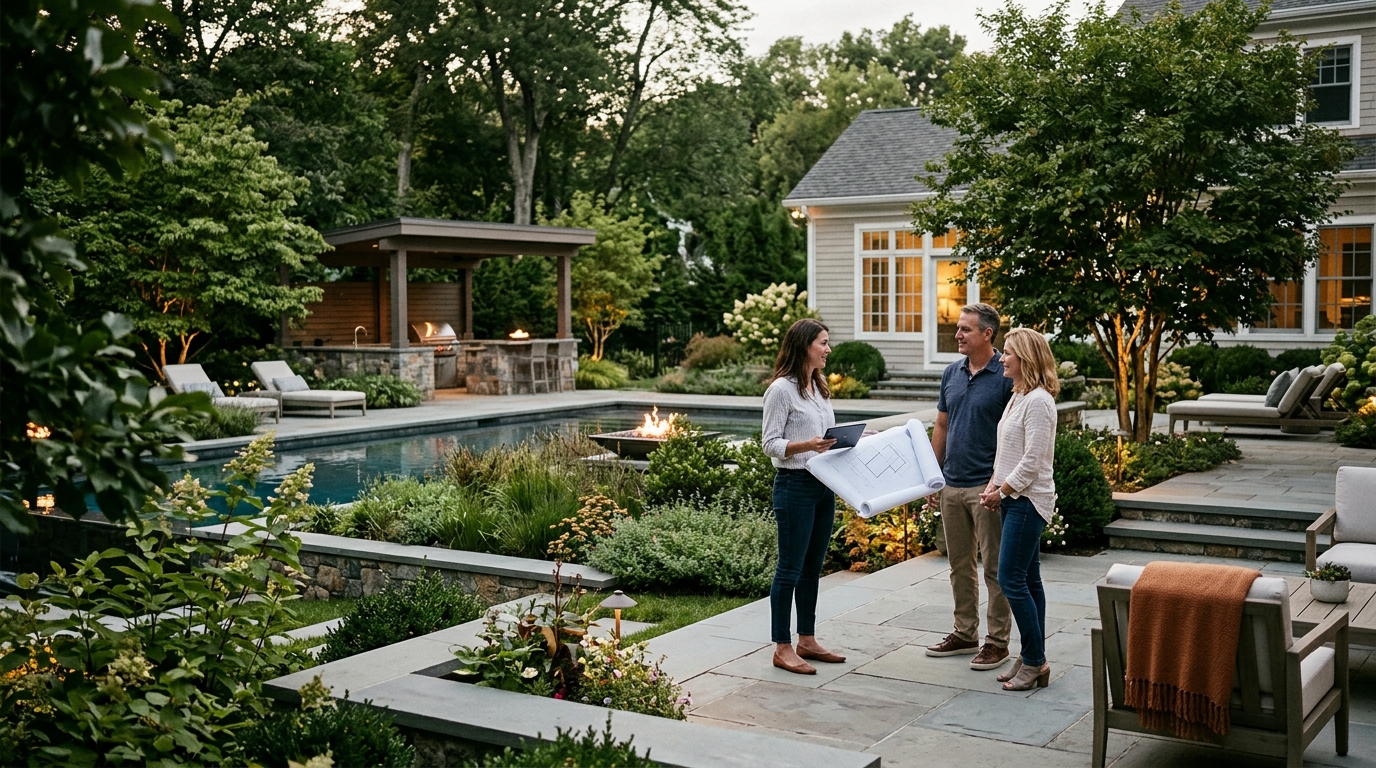
Comprehensive landscape design is the superior approach for most residential properties because it integrates hardscapes, softscapes, and structural elements into a unified vision. Outdoor living planning focuses narrowly on functional zones for entertainment and relaxation. This guide compares both methodologies to help you determine which strategy best aligns with your property goals and lifestyle needs.
Property Transformation Phases
Understanding the stages of property transformation is essential before choosing a design approach. Most residential projects follow a predictable progression from initial assessment to final installation. This framework helps homeowners anticipate timelines and budget requirements accurately.
Assessment and Conceptualization
The first phase involves a detailed site analysis. Professionals evaluate soil composition, drainage patterns, sunlight exposure, and existing vegetation. This data forms the foundation for any design work. Without accurate assessment, subsequent phases may require costly revisions.
Design and Engineering
During this phase, concepts are translated into technical drawings. Engineers and designers collaborate to ensure structural integrity and aesthetic harmony. This stage often includes 3D visualization to help clients preview the final outcome. Precision in this phase prevents errors during construction.
Construction and Installation
The physical transformation occurs during the construction phase. This includes excavation, masonry work, planting, and utility installation. Quality control is critical to ensure durability and performance. Proper sequencing of tasks minimizes disruption to the property.
Outdoor Living Planning
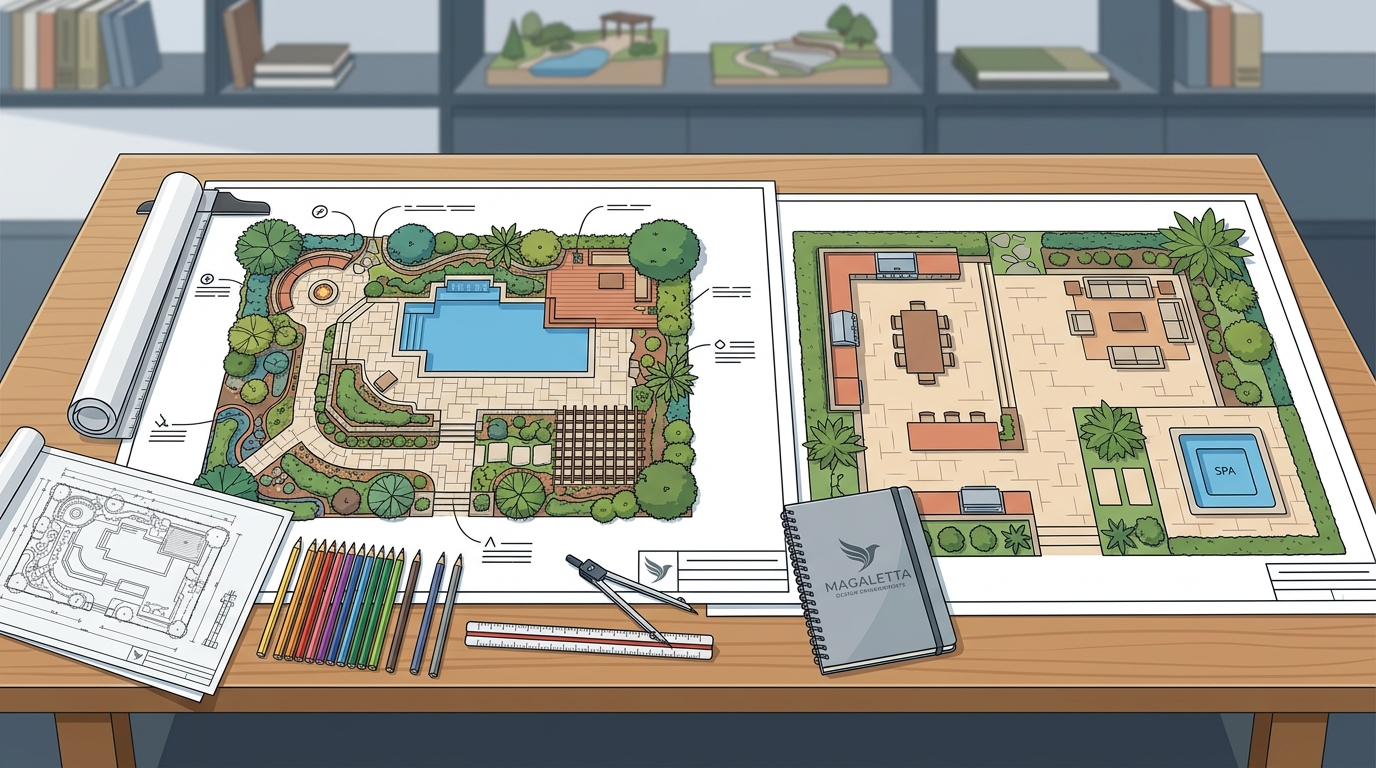
Outdoor living planning is a focused strategy that prioritizes functional zones for daily use and entertainment. This approach centers on creating specific areas for dining, lounging, and recreation. It is ideal for homeowners who already have established landscapes but need enhanced functionality.
Defining Functional Zones
Effective planning begins by identifying how you intend to use the space. Common zones include outdoor kitchens, fire pit areas, and dining patios. Each zone requires specific infrastructure such as power, water, and gas lines. Clear zoning prevents overcrowding and ensures smooth traffic flow.
Material Selection and Durability
Choosing the right materials is crucial for longevity. High-quality pavers, composite decking, and weather-resistant furniture withstand seasonal changes. Material selection should align with the architectural style of the home. Durable materials reduce long-term maintenance costs.
Integration with Existing Spaces
Outdoor living planning often works within the constraints of an existing landscape. The goal is to enhance usability without major earthwork. This approach is less invasive and typically faster to complete. It suits properties where the natural terrain is already well-suited for outdoor activities.
Comprehensive Landscape Design
Hardscape and Softscape Integration
Hardscapes include patios, walkways, and retaining walls, while softscapes involve plantings and lawns. Comprehensive design ensures these elements complement each other. The balance between hard and soft elements creates visual interest and functional diversity. This integration elevates the overall aesthetic of the property.
Lighting and Water Features
Professional lighting design extends the usability of outdoor spaces into the evening. Strategic placement of fixtures highlights architectural features and ensures safety. Water features such as fountains and ponds add auditory and visual appeal. These elements require careful engineering to maintain water quality and circulation.
Long-Term Maintenance Planning
Comparison Table
| Feature | Outdoor Living Planning | Comprehensive Landscape Design |
|---|---|---|
| Scope | Functional zones only | Entire property environment |
| Complexity | Moderate | High |
| Timeline | Shorter | Longer |
| Budget | Variable | Higher initial investment |
| Best For | Existing landscapes | New builds or major renovations |
Key Takeaways
- Comprehensive landscape design offers a unified vision for the entire property.
- Outdoor living planning focuses on specific functional areas for entertainment.
- Site assessment is the critical first step in any transformation project.
- Material selection impacts both aesthetics and long-term durability.
- Lighting and water features enhance usability and visual appeal.
- Maintenance planning should be integrated into the initial design phase.
- The choice between approaches depends on property condition and lifestyle goals.
- Professional expertise ensures structural integrity and aesthetic harmony.
Frequently Asked Questions
What is the main difference between landscape design and outdoor living planning?
Landscape design addresses the entire outdoor environment, including plants and hardscapes. Outdoor living planning focuses on creating functional zones for specific activities.
How long does a comprehensive landscape project take?
Timelines vary based on scope and complexity. Most comprehensive projects take several months to complete, including design and construction phases.
Is outdoor living planning suitable for small yards?
Yes, it is often ideal for small spaces where maximizing functionality is the priority. It allows for efficient use of limited square footage.
Do I need a permit for landscape design work?
Permit requirements depend on local regulations and the scale of the project. Structural elements like retaining walls often require permits.
How do I choose the right materials for my outdoor space?
Consider durability, maintenance requirements, and aesthetic compatibility with your home. Consulting with a professional ensures the best choices for your climate.
Can I combine both approaches in one project?
Conclusion
Choosing between comprehensive landscape design and outdoor living planning depends on your specific property needs and lifestyle goals. Comprehensive design offers a unified, holistic transformation, while outdoor living planning provides targeted functional enhancements. For homeowners seeking a complete outdoor environment, the comprehensive approach is often the better fit. Contact Magaletta Design Environments to discuss your project and determine the best strategy for your home.