
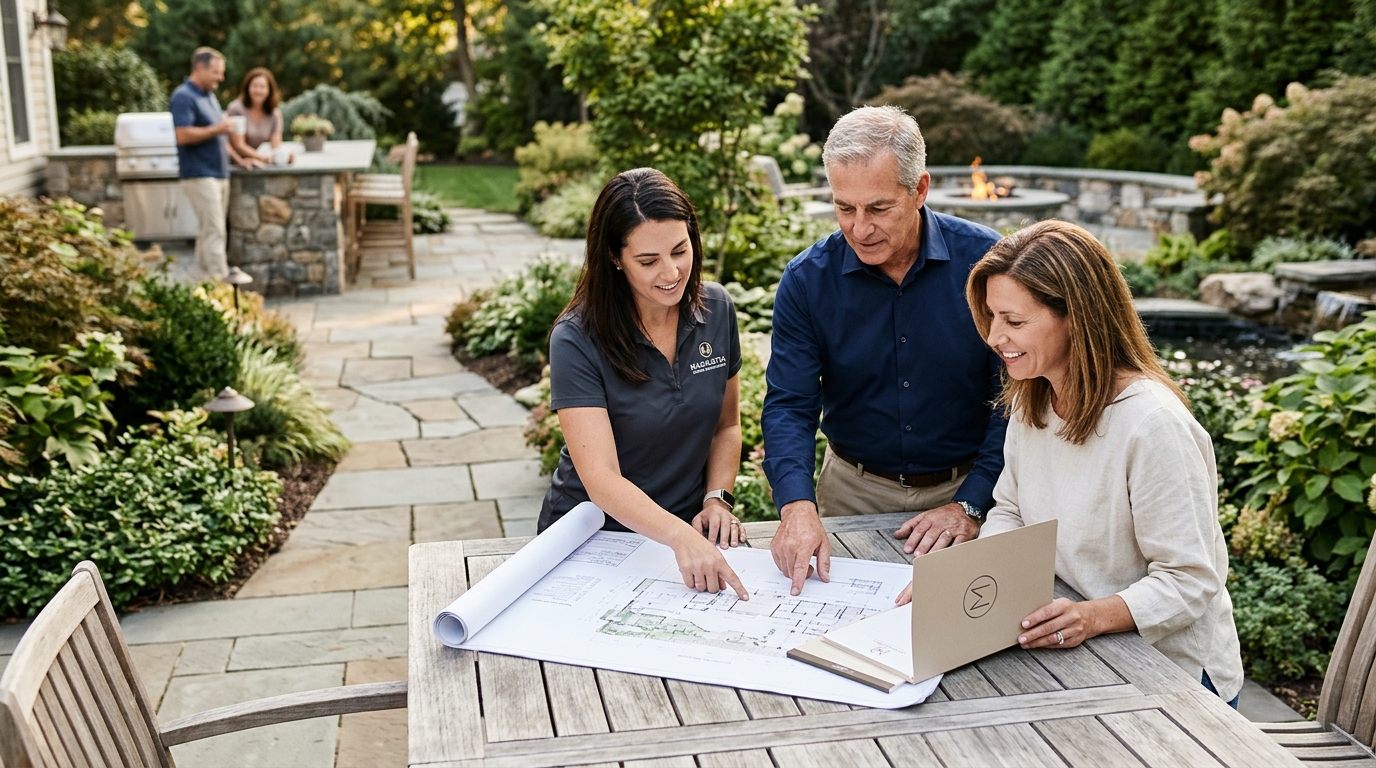
Transforming a backyard into a functional outdoor living space requires a structured approach that balances aesthetics with practicality. A complete backyard redesign is a comprehensive process that integrates hardscaping, softscaping, and structural elements to create a cohesive environment. By following a proven sequence of steps, homeowners can ensure their vision is executed with precision and quality.
1. Define Your Vision and Lifestyle Goals
Identify how you intend to use the space to guide every design decision. Before selecting materials or structures, you must determine the primary function of the area. Are you looking for a quiet retreat for reading, a social hub for entertaining guests, or a play area for children? This initial assessment helps prioritize features such as seating arrangements, lighting, and privacy screens.
2. Assess Site Conditions and Constraints
Analyze the existing topography, drainage, and sun exposure to inform the layout. A professional evaluation of the site is critical to avoid costly errors later in the project. Factors like soil composition, slope, and the location of existing utilities dictate where structures can be placed. Understanding these constraints ensures that the design is both beautiful and structurally sound.
3. Develop a Detailed Design Plan
Use 3D visualization tools to create a realistic preview of the finished space. Modern landscape design relies on advanced software to translate concepts into lifelike models. This step allows you to see exactly how the project will look before construction begins. It provides an opportunity to make adjustments to colors, materials, and dimensions, ensuring the final result matches your expectations perfectly.
4. Select High-Quality Materials and Hardscapes
Choose durable materials that complement your home's architecture and withstand local weather. Hardscaping is the foundation of functional outdoor living, including patios, walkways, and retaining walls. Options such as natural stone, engineered pavers, and concrete each offer distinct aesthetic and performance benefits. Selecting the right materials ensures longevity and reduces the need for frequent maintenance.
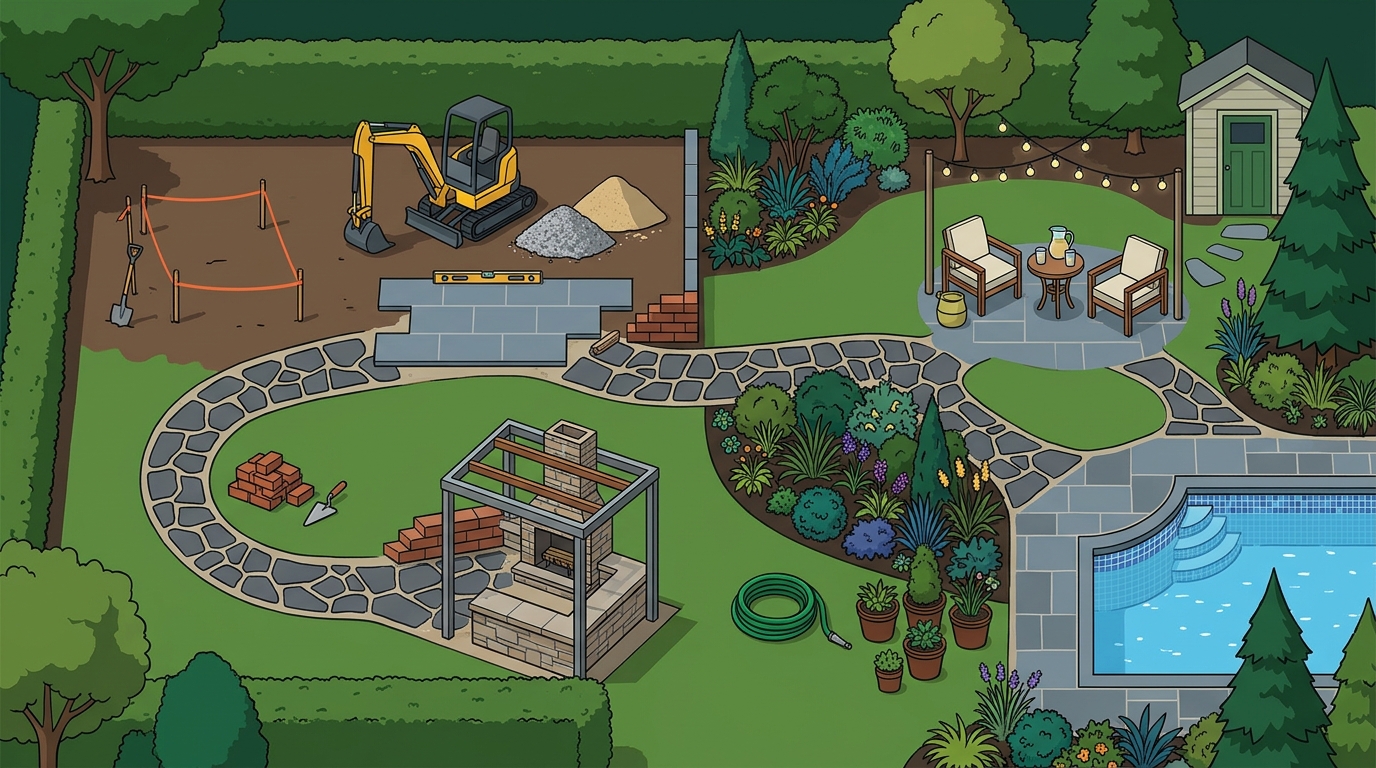
5. Integrate Softscaping and Plantings
Use plants to add color, texture, and seasonal interest to the landscape. Softscaping is the art of using vegetation to soften hardscape edges and create a natural feel. A well-designed planting plan considers mature plant sizes, bloom times, and maintenance requirements. This step brings life to the space and contributes to the overall health of the soil and ecosystem.
6. Install Functional Amenities and Lighting
Add features like outdoor kitchens, fire pits, and lighting to enhance usability. Functional amenities extend the usability of your outdoor space into the evening and across different seasons. Outdoor lighting is not just for security; it creates ambiance and highlights architectural features. Integrating these elements early in the construction phase ensures proper wiring and placement.
7. Finalize with Maintenance Planning
Establish a routine for upkeep to preserve the beauty and function of the space. A complete redesign includes a strategy for long-term care, such as irrigation management and seasonal cleanups. Understanding the maintenance needs of your specific materials and plants helps protect your investment. This final step ensures that your outdoor environment remains a sanctuary for years to come.
Choosing the Right Approach
When deciding how to proceed with your project, prioritize the steps that align with your most critical lifestyle goals. If entertainment is your primary focus, invest more heavily in hardscaping and amenities. If tranquility is the goal, focus on softscaping and water features. A balanced approach that addresses both function and aesthetics will yield the most satisfying results.
Frequently Asked Questions
How long does a complete backyard redesign take?
The duration of a project varies based on scope and weather conditions. A standard redesign typically takes several weeks to a few months. Complex projects involving extensive hardscaping or structural changes may take longer.
What is the most important step in a backyard redesign?
Defining your vision and lifestyle goals is the most critical step. Without a clear understanding of how you want to use the space, the design may not meet your needs. This foundation guides all subsequent decisions.
Do I need a 3D design before construction?
While not legally required, a 3D design is highly recommended. It allows you to visualize the final outcome and make changes before breaking ground. This process helps avoid costly mistakes and ensures satisfaction with the final result.
What materials are best for outdoor hardscaping?
Popular choices include natural stone, engineered pavers, and concrete. Each material offers different benefits in terms of durability, cost, and aesthetics. The best choice depends on your budget, style preferences, and local climate.
How can I maintain my new landscape?
Regular maintenance includes watering, pruning, and cleaning hardscape surfaces. Establishing a seasonal routine helps keep the space looking its best. Professional maintenance services can also be hired to handle these tasks.
Can I add features later after the initial redesign?
Start Your Transformation
Ready to turn your backyard into a luxurious extension of your home? Contact Magaletta Design Environments to schedule a personalized consultation and begin the journey toward your dream outdoor space.